
Podcast.

  • June episode will feature Juneteenth, a day in the United States when Black people won their freedom, which was designated a federal holiday in 2021.

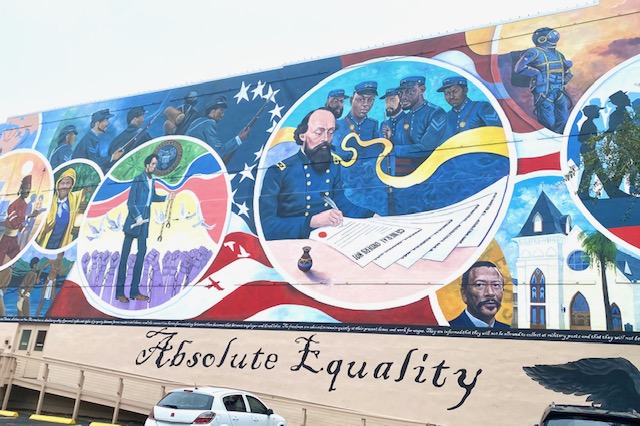
    Galveston, located on the Gulf of Mexico, was once the most prosperous commercial center in Texas, and it is said that 80% of the slaves brought from Africa arrived at the port of Galveston. We visited Ashton Villa, a former mansion with an exhibition showcasing the history of Juneteenth, and a massive mural at the site where the Emancipation Proclamation is believed to have been signed. Furthermore, Sam Collins, the organizer of the “Galveston Legacy Project,” which promotes Juneteenth in Galveston, guided us through the historical sites.

    We interviewed Opal Lee in Fort Worth, who is 97 years old and known as the “grandmother of Juneteenth.”

    Extra Credit

    Screenshot

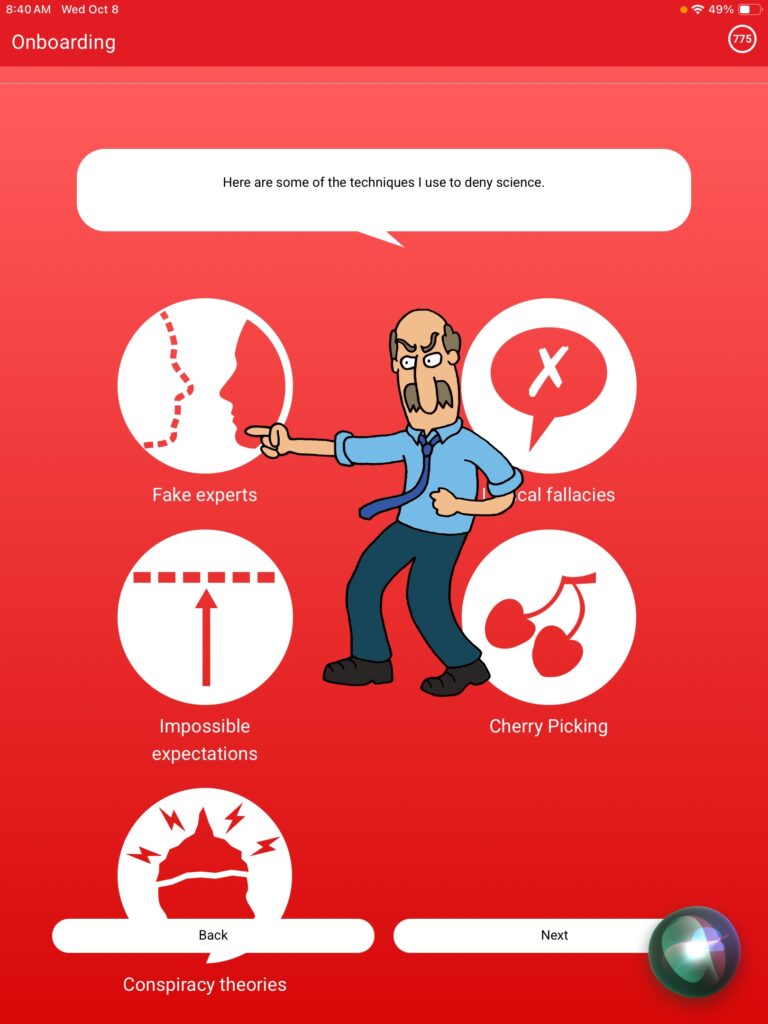
    The educational app Cranky Uncle is designed to counter misinformation, it demonstrates five denial strategies within the game- 1. Fake experts, 2. Logical fallacies, 3. Impossible expectations, 4. Cherry Picking and 5. Conspiracy theories. I played a quiz, I detected all those forms of misinformation.

    “Fake experts” are someone presented as a credible source of information whose expertise are not relevant, for example “Professor Smith who holds a PhD computer science says climate change is not settled science”.

    “Logical fallacies” are arguments jumping to conclusion lacking logical connection, for example “Environmentalist think we can solve all our ecological problems by driving a Prius”.

    “Impossible expectations” involve demanding unrealistic standard from science to undermine its validity, for example “scientist can’t predict a weather perfectly, so how can they predict climate?”

    “Cherry picking” is the act selectively ignoring data or evidence that does not align with desired conclusion, for example “The world can’t be round. The floor in this room is flat”.

    “Conspiracy theories” are presenting a secret plot by powerful group or  someone, for example “Climate scientist are in it for the money”.

    All of those tactics related climate change particularly stood out to me. While I acknowledge that climate change is a common topic on political and in societal discussion, learning these categorized tactics is very helpful for equipping myself against misinformation. 
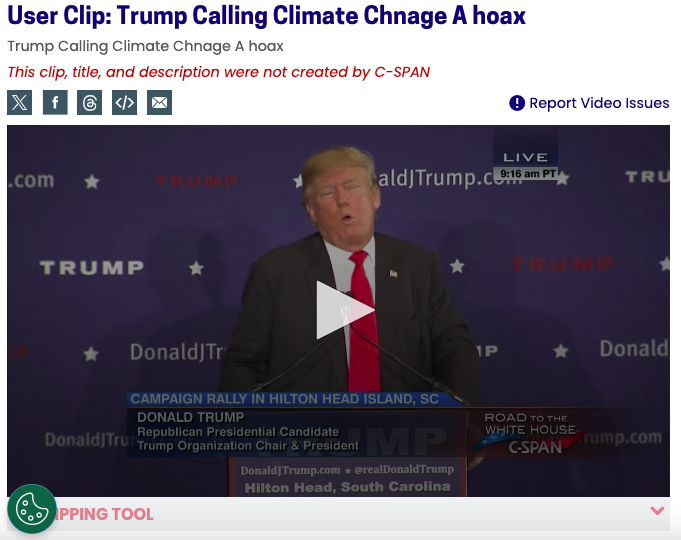
    President Trump has repeatedly called climate change is a “hoax” in public, More recently, he stated in an address at United Nations that “UN prediction about the impacts of climate change is con job perpetrated by the world”. On a first day of back in office, he signed an executive order to initiate US withdrawal from Paris Climate Agreement. His long-standing strategy of climate change denial prioritize fossil fuel industry. This involves shifting the argument – for example by declaring a national emergency to expand domestic oil gas production, diverting attention from the environmental urgency of action needed to tackle climate change.
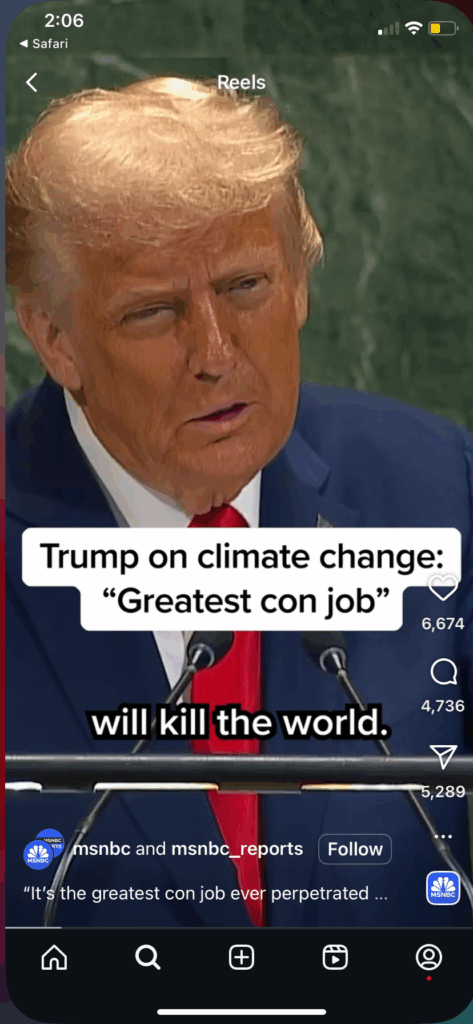
    Based on overwhelming scientific research there is a consensus that burning oil and gas releases gas, which causing global warming and extreme weather.

    A right-wing think tank, the Heritage Foundation commented on the recent Environmental Protection Agency (EPA) reversal of scientific base on greenhouse gas and vehicle regulations, stating “Alarmist rhetoric and extreme policy measures threaten to undermine energy affordability and economic prosperity”. 

    According to research by the IEA, Clean energy is often most affordable energy and the least impact on environment.

    Based on what I learned in Cranky Uncle app, I would categorize this tactic as logical fallacies. 

    I think these actions are not only misleading the public about the scientific consensus on climate change but also represent the manipulation of a scientific topic as a political tactic designed to promote party dominance, benefitting oil and gas industry.

    Since there is no single perfect one solution to eliminate the spread of misinformation across social media and digital media platform, ultimately the end user of digital information have to protect themselves.

    Educational tools like the Cranky Uncle app and other resources such as CTRLF are essential and the lateral reading is effectively help people to navigate and verify digital information.


    It is also beneficial to explore both left or right points of view in our divided nation, Allsides is valuable to give comprehensive understanding of media bias and context, as reported topics like cancellation of clean energy funding.
  • June episode will feature Juneteenth, a day in the United States when Black people won their freedom, which was designated a federal holiday in 2021.

    Galveston, located on the Gulf of Mexico, was once the most prosperous commercial center in Texas, and it is said that 80% of the slaves brought from Africa arrived at the port of Galveston. We visited Ashton Villa, a former mansion with an exhibition showcasing the history of Juneteenth, and a massive mural at the site where the Emancipation Proclamation is believed to have been signed. Furthermore, Sam Collins, the organizer of the “Galveston Legacy Project,” which promotes Juneteenth in Galveston, guided us through the historical sites.

    We interviewed Opal Lee in Fort Worth, who is 97 years old and known as the “grandmother of Juneteenth.”

    Creation Activity


    As my final assignment for the course of “Misinformation and Society”, I am sharing these posts to prevent the spread of misinformation on social media particularly for Generation Z .

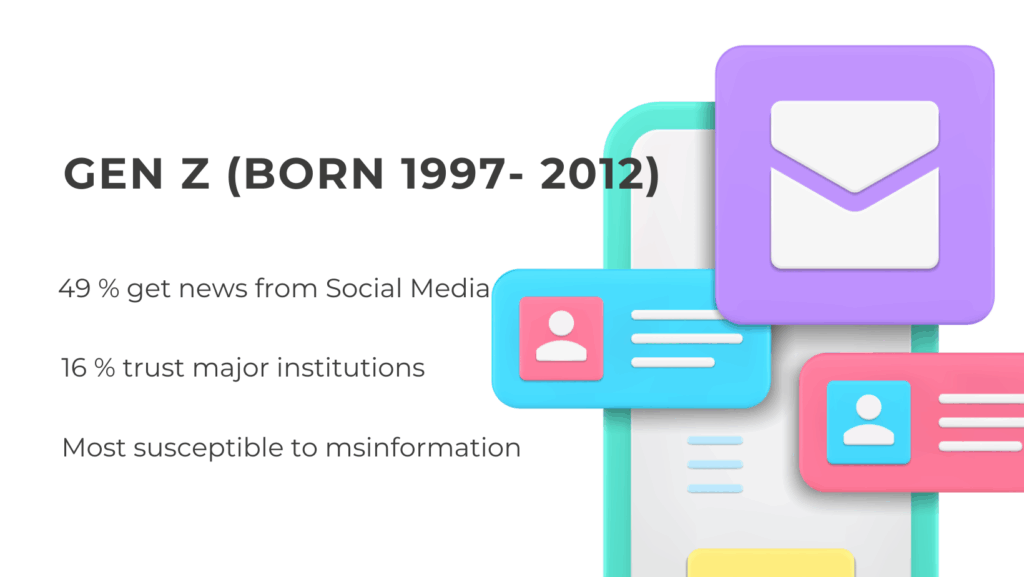
    GenZ (born between 1997- 2012) are considered the most susceptible to fake news on social media, despite of being “digital natives” and significant amount of time they spent online, according to the study by University of Cambridge.

    Social media become major news source for those younger generations. Paw Research shows that 43% of young adults get news from TIkTok. This demonstrates a high rate of news consumption on social media, where their algorithm prioritizes engagement, often fuels the spread of fake news.

    Another study highlights prominent feature of GenZ -the lack of trust in institutions, only 16 percent of Generation Z trust major institutions.

    Now GenZ are entering adulthood, joining workforce and establishing their own family and social role, they are becoming eligible to vote in elections. Therefore, their ability to evaluate credibility on political claim is essential for a healthy society in the future. 

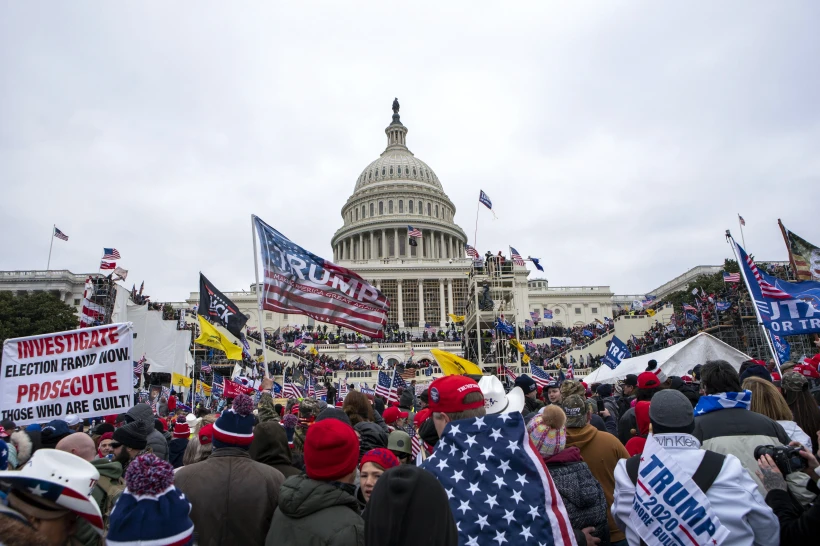
    Photo/AP

    I would like to include here the examples of political conspiracy theories spread on social media.

    On January 6 2021, the United States Capitol Hill was attacked by a mob of supporters of President Trump in an attempt to overturn 2020 Presidential election result. Five people died and nearly 1500 people were charged for federal crime. Some one them were leaders of far right extremist groups like the Proud Boys and Oath Keepers. 

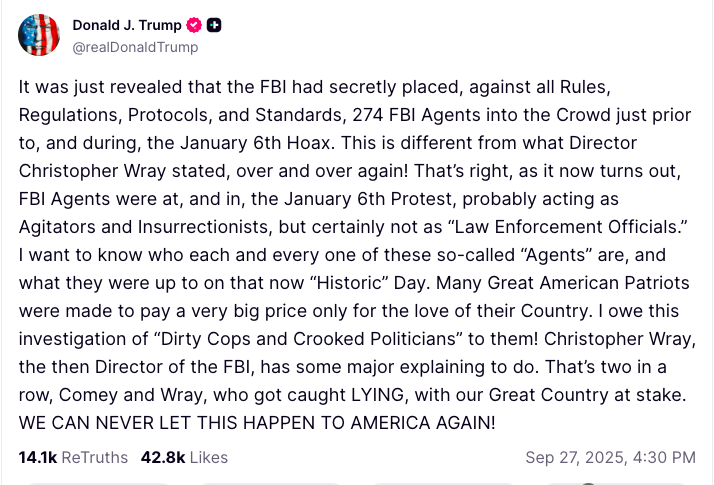
    President Trump posted on his Truth Social, falsely claiming that FBI coordinated the riot, but no undercover agent were present as watchdog verified.

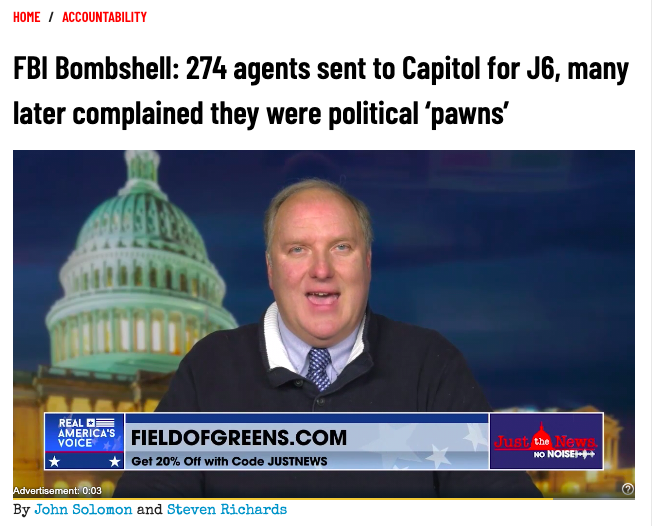
    His message was passed on to social media platforms and news media. Right-wing news channel Just the News broadcasted as follows: “FBI Bombshell: 274 agents sent to Capitol for J6, many later complained they were political ‘pawns’”.

    On Podcast, Joe Rogan, an American comedian and one of the most popular podcaster has said following – “The January 6th thing is bad but the intelligence agencies were involved in provoking people”. He is often criticized spreading conspiracy theories. Washington Post reported that 25 percent of American believe that falsehood.

    Among the Jan 6 attack conspiracy theories are not just the FBI, but also by anti-Trump Antifa activist. Antifa, an anti-fascist movement, is often criticized for its alleged use of violence. Antifa has been labeled as terrorist by Trump two weeks after conservative activist Charlie Kirk was assassinated at campus event in Utah.  

    Photo/NPR

    Charlie Kirk, MAGA Young conservative figure and a co-founder of Turning Point USA, was a prominent voice on Instagram and YouTube. He was very influential among young people. However, he is often marked by the promotion of misinformation about topics like climate change and to spread conspiracy theories regarding the 2020 election and Covid vaccines.  

    Freedom of speech should never be taken away from anyone. In amid of polarization age, I am strongly reminded that equipping young people to navigate flood of misinformation on social media is more critical than ever. 

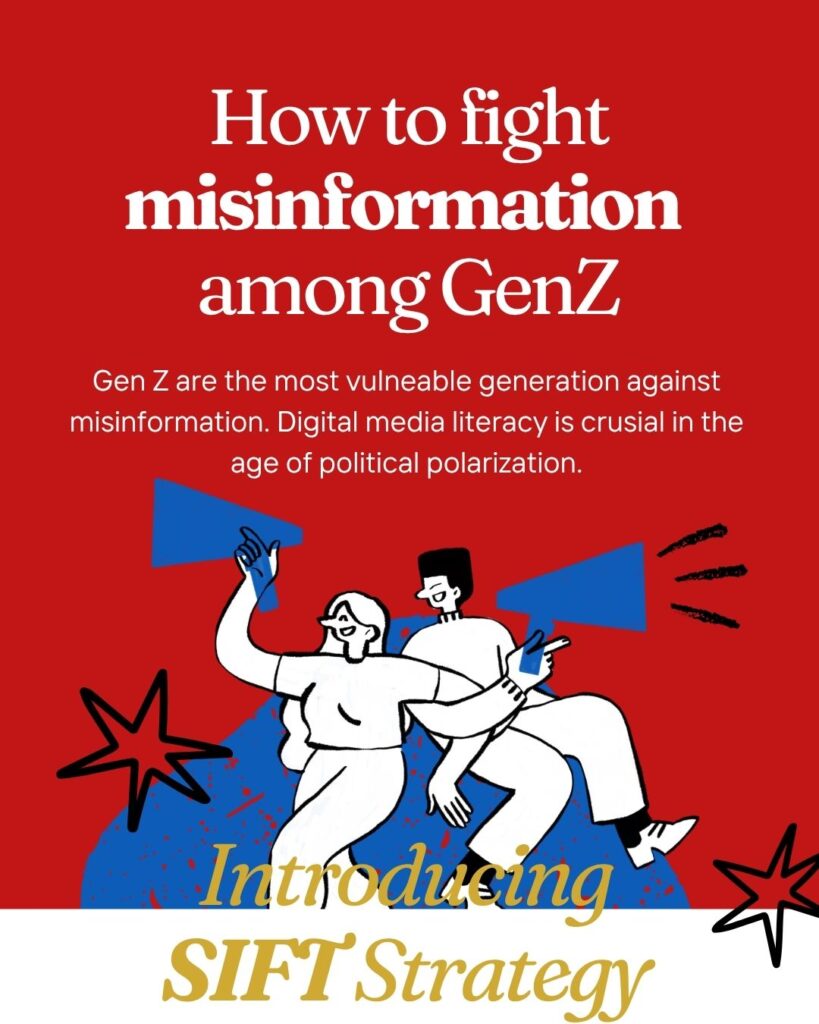
    Introducing SIFT Method

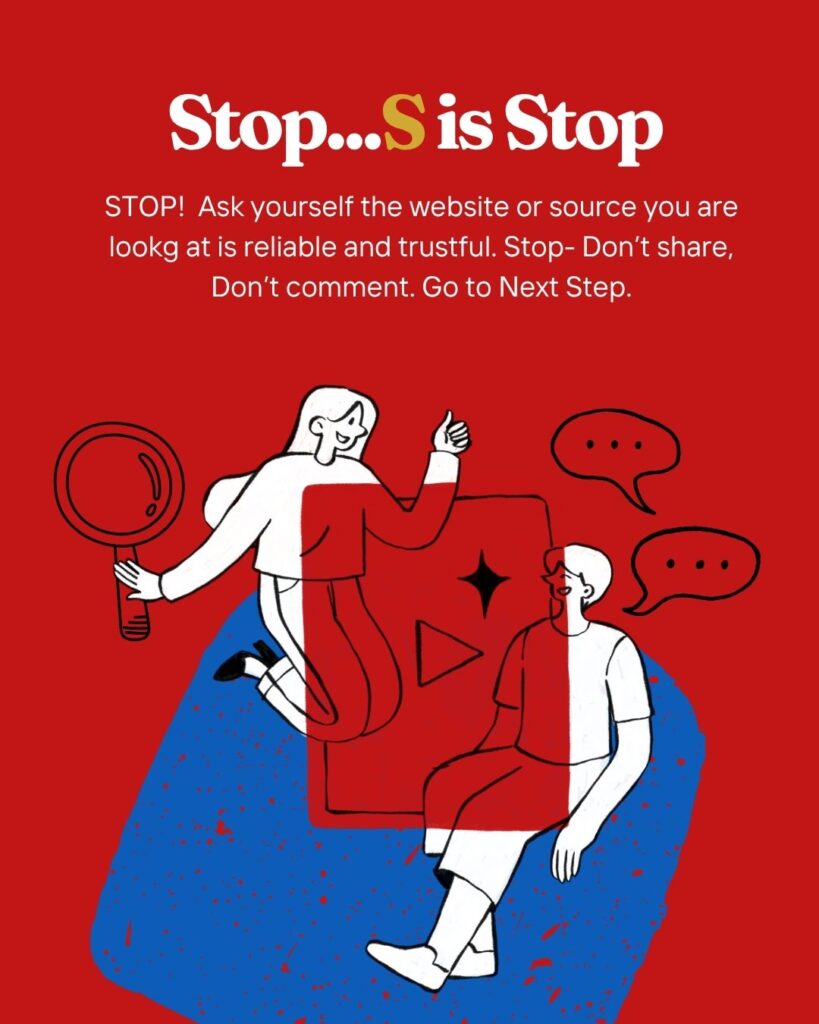
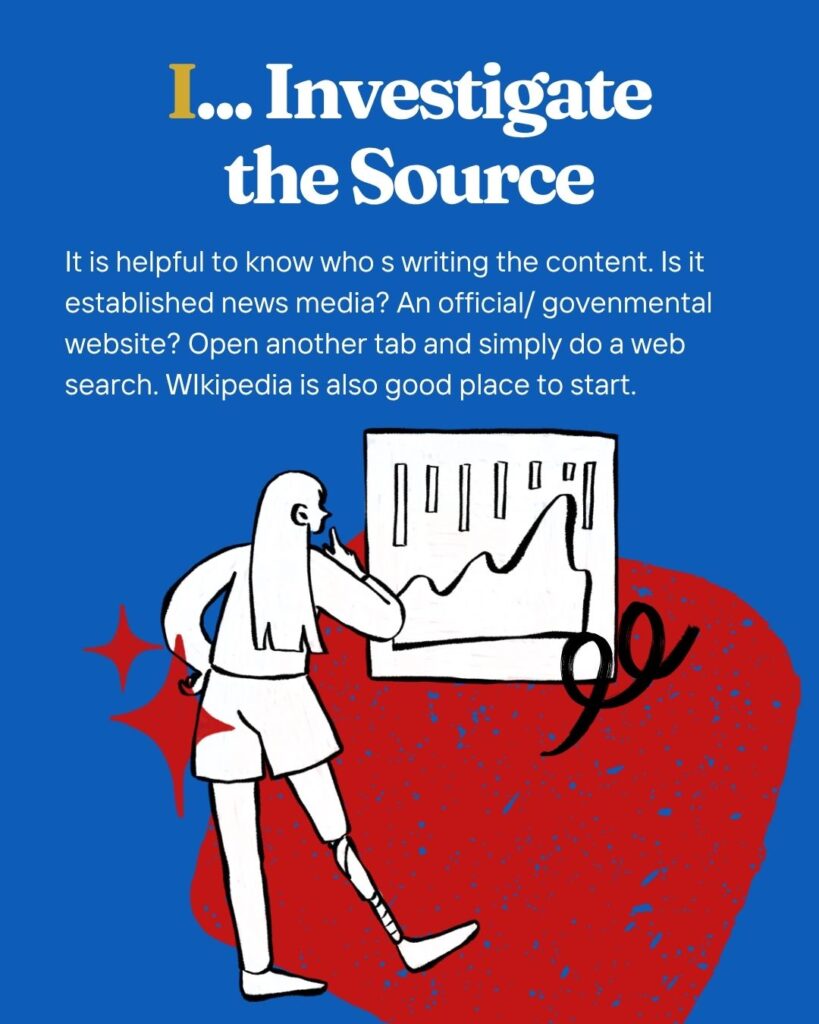
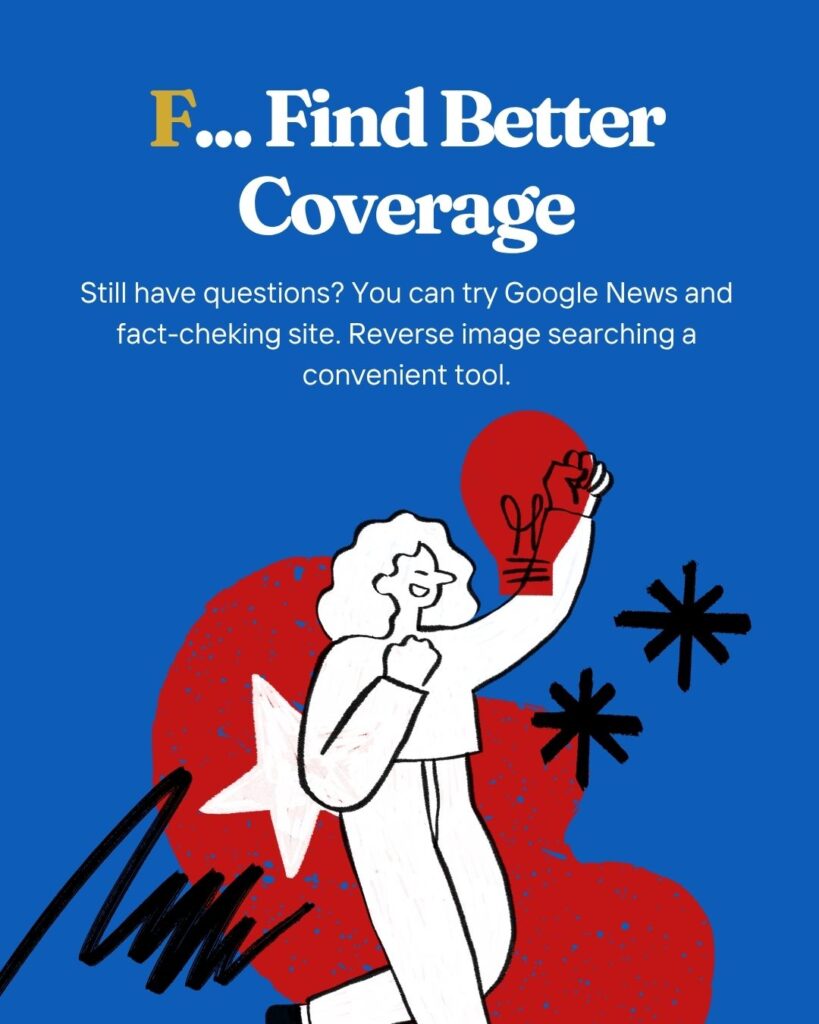
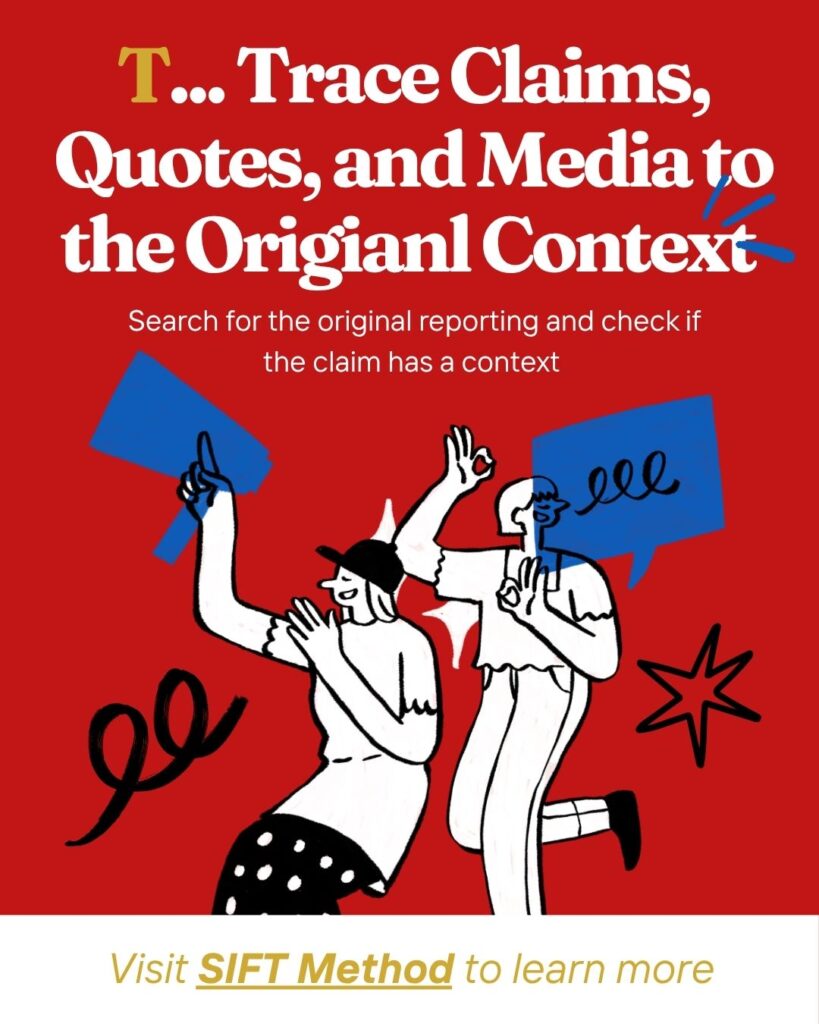
    Here, I share SIFT method to fight against misinformation on social media. SIFT method is evaluation strategy by digital expert Mike Caulfield, to determine whether online content can be trusted or reliable and credible source of information.

    S stands for stop, I is investigate, F is find better source and T is trace original source.

  • June episode will feature Juneteenth, a day in the United States when Black people won their freedom, which was designated a federal holiday in 2021.

    Galveston, located on the Gulf of Mexico, was once the most prosperous commercial center in Texas, and it is said that 80% of the slaves brought from Africa arrived at the port of Galveston. We visited Ashton Villa, a former mansion with an exhibition showcasing the history of Juneteenth, and a massive mural at the site where the Emancipation Proclamation is believed to have been signed. Furthermore, Sam Collins, the organizer of the “Galveston Legacy Project,” which promotes Juneteenth in Galveston, guided us through the historical sites.

    We interviewed Opal Lee in Fort Worth, who is 97 years old and known as the “grandmother of Juneteenth.”

    Assignment#4

    Platforms’ efforts to combat misinformation and harmful content: X and TikTok.

    X (Formally Twitter)

    First, X has outlined safety rules against violent, hateful, illegal, sexual, abusing contents on its website. It also has policies to protect privacy and child safety, as well as authenticity terms designed to prevent misleading or manipulating content as stated.

    In 2021, X- formally twitter launched Community Notes a feature that allows users can add context to potentially misleading content, and the notes will be shown publicly, providing fact-checking by a community.

    Since Elon Musk acquired twitter in 2022, X has been cut staff for safeguards and trusts. This occurred in 2023, a year in which the industry is transforming their policies post pandemic. X has faced criticism in rapid rise for Gen-Z, Neo-Nazi Antisemitism according to Combat Antisemitism Movement (CAM), a trend often attributed to Musk’s philosophy on freedom of speech.

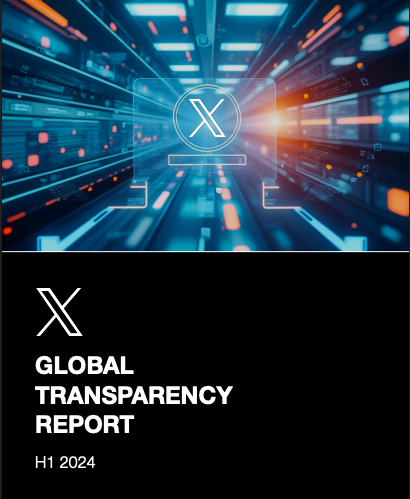
    X did not release transparency report for 2 years after take-over unlike other platforms such as Facebook and Google, finally in 2024, X released Transparency Report.

    The report says, X received nearly 67 million reports of hateful conduct in the first half of 2024, and took action on more than 2,000 accounts.

    According to Forbes, two major change occurred -greater reliance on AI for moderation with human review for action or flagging content, and increase in child abuse related post with less number of action taken.

    While Meta also uses AI moderation, they acknowledged their algorithm do not work always properly. This raises a question of how much accountability of AI moderation has? Expert points out on the lack of mechanism is justified by the principle freedom of speech on BBC article . 

    Furthermore, X made it more difficult to retrieve data on posts such as comments, likes and engagement, which allows sentiment analysis and track trends. This change according to WebProNews, is intended to curb spam but also limits scrutiny.

    X played significant role for political discussions surrounding US presidential election 2024. as owner of platform Musk used X to trumpet Trump policies. Center for Countering Digital Hate reported “At least 87 of Musk’s posts this year have promoted claims about the U.S. election that fact-checkers have rated as false or misleading, amassing 2 billion views”.

    TikTok

    Second, TikTok states community guidelines on website, which includes specific policies against misinformation and political advertisement. Contents are reviewed by an automated moderation system that scans for violations of the guidelines, if the content is flagged, it is reviewed by TikTok’s content moderators.

    TikTok requires creators to label all AIGC(AI generated content). and provide reporting system for unlabeled AIGC. The platform’s AI is reportedly effective at detecting and flagging those content.

    This year TikTok has introduced “Footnotes”, a tool to help users identify and report misinformation, a similar to those by Meta and X.

    According to NY Times article, unlike Meta and X, TikTok is not ending any of its fact-checking programs or partnerships. TikTok says “Footnotes is not a replacement”, while X drew criticism for reducing investments in fact-check and moderation. .

    To be verified, celebrities and all users have to provide government-issued ID to prove the account is genuine, like other social media platforms.

    TikTok advices users to reconsider to share on fast-moving situation where the facts are not yet clear. Furthermore, TikTok also introduced new features this summer: “Creator Care” a mode that gives a filter for creators to identify offensive content before posting by one-switch and “Family Paring”, a tool that allow parents to have more oversight of their child’s account.

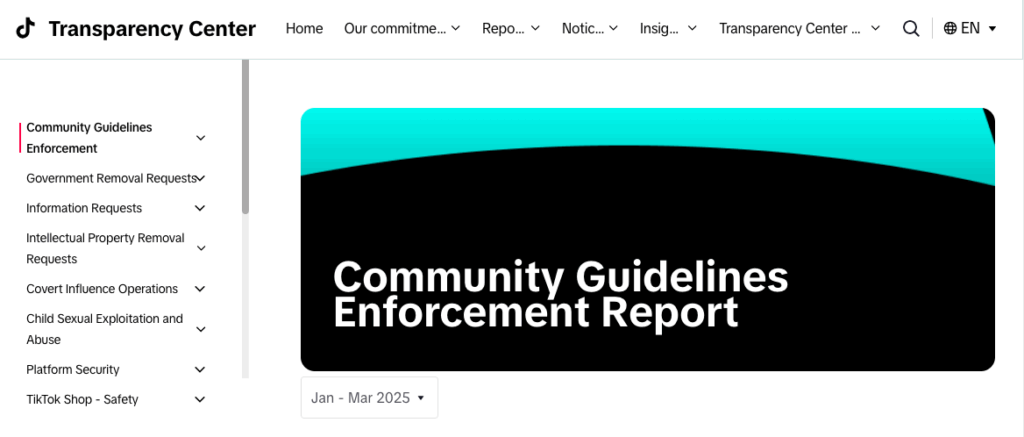
    According to Community Guidance Enforcement report, deleted posts are 49 million in 2020, 1million deleted, Q1 2025.

    TikTok partners to combat false content, with International Fact-Checking Network-accredited fact checking organizations through our Global Fact-Checking Program. In over 60 languages and 130 markets across the world.”

    Conclusion
    Policies and guidelines against misinformation are largely determined by companies, which means the rules are controlled by business entity. however, users do not want governmental sensor-ship either. Since the origin of social media is rooted in a pursuit of freedom of speech, we must find a balance between two principles. The automated moderation system has to keep improving to catch up fast changing environment, and effective moderation should be a result of dedicated work by both human fact-checkers and AI.

  • June episode will feature Juneteenth, a day in the United States when Black people won their freedom, which was designated a federal holiday in 2021.

    Galveston, located on the Gulf of Mexico, was once the most prosperous commercial center in Texas, and it is said that 80% of the slaves brought from Africa arrived at the port of Galveston. We visited Ashton Villa, a former mansion with an exhibition showcasing the history of Juneteenth, and a massive mural at the site where the Emancipation Proclamation is believed to have been signed. Furthermore, Sam Collins, the organizer of the “Galveston Legacy Project,” which promotes Juneteenth in Galveston, guided us through the historical sites.

    We interviewed Opal Lee in Fort Worth, who is 97 years old and known as the “grandmother of Juneteenth.”

    Assignment#3


    This time on blog assignment, I analyze this issue- “Is Teflon-coated cookware safe? My friends were asking me an advice and recommendation on rice cookers. I have been seeing many posts on social medias regarding this issue.

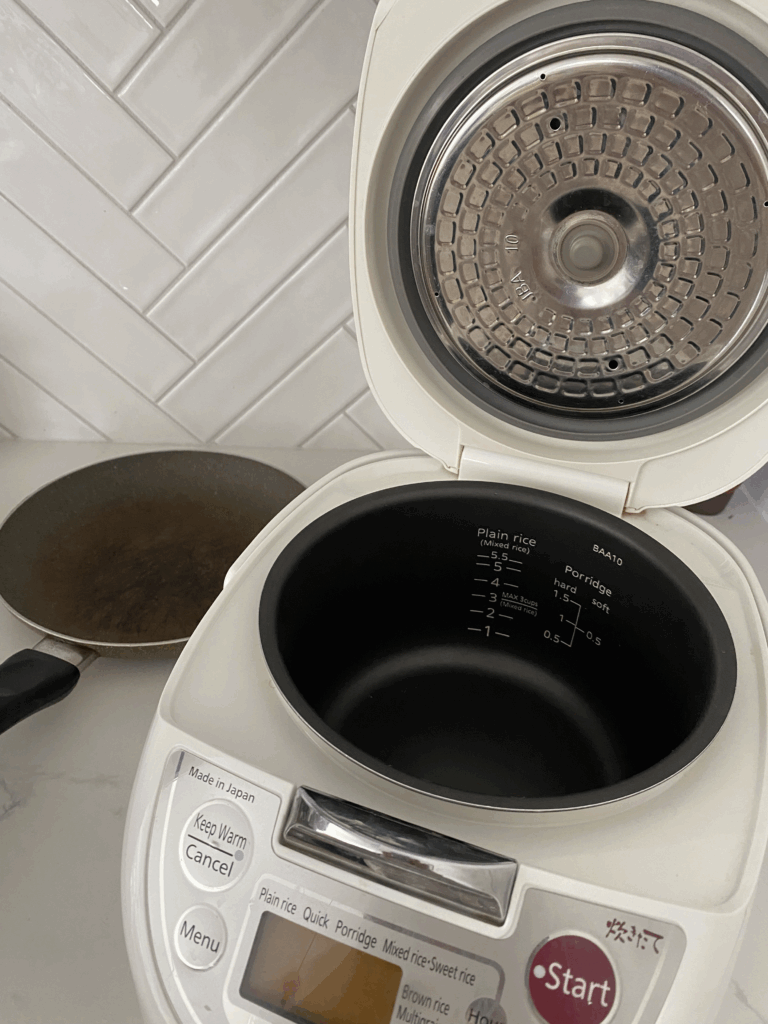
    Most of rice cookers are typically made with teflon-coated inside pan. I myself consume a lot of rice and sticky rice, it is tough to clean after use. Even my InstantPot can work as rice cooker which has stainless pan, but I am still using teflon-coated rice cooker for easier life. 


    Same as teflon-coated frying pan, many social media posts claim this teflon-coated pan is not safe to use, some of then recommend viewers to throw them away or point out that teflon supporters are benefitting from pan manufacturer.


    Here are the contents I am going to look closely, they are just a few example of thousands of posts regarding teflon. To analyze this assignment, I reflected SIFT approach, following these steps.

    1. SWIFT-Stop
      • Content#1


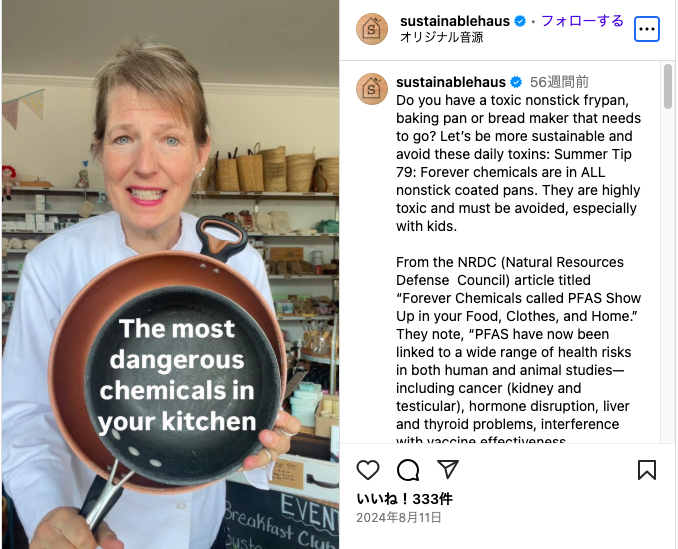
    This Instagram post shared on Aug 2024 by Janette Spiezio (on account profile- a founder of clean lifestyle store in NJ), claims not to use teflon-coated pan because a substance called “PFAS” used to coat pans, one of “forever chemicals” which is harmful for human and stays in a body causing “cancer (kidney and testicular), hormone disruption, reproductive harm, and abnormal fetal development.“

    2. SWIFT-Investigate

    I start searching about “PFAS” and co-lateral reading on Wikipedia as recommended in “CTRL-F” on YouTube.

    “PFAS” are everywhere is our life- not only in teflon coated pan, they are used in waterproof fabric such nylon, food packaging and cosmetic products like lipsticks and shampoo.

    “Forever chemicals” are refered to a group of persistent chemicals which are hardly degraded in environment and found in human body, as Yale article explains, EPA set enforcement to monitor, report, and reduce PFAS contamination in drinking water in 2024. 


    She quoted study of NRDC (Natural Resources Defense Council) article, which is a US non-profit environmental advocacy group, according to Wikipedia. Looked legitimate claim.

    • Content#2


    I would like to start investigate Content#2 -another Instagram posts shared by @Masala -he is an author with 110 million follower – of “the science of Indian Cooking” on profile. 


    1. SWIFT- Stop

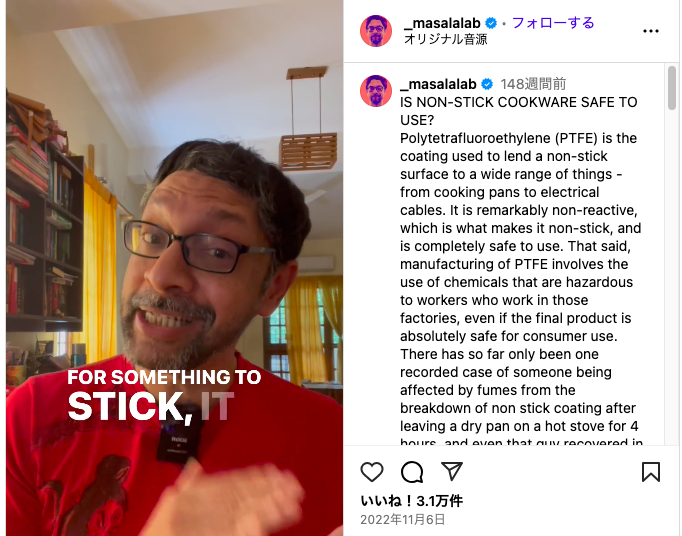
    He claims that the material used to coat non-stick pan is safe- the material being used to make Teflon, “PTFE” is non-reactive (that is why it is non-stick) so even if we accidentally eat a little bit of “PTFE”, it is safe, it will digest in our body- this post does not include any source or evidence.

    He mentioned “PTTE” could be harmful when is over heated and when inhaling smoke can cause sick.

    2. SWIFT-Investigate

    I researched about “PTFE” this time on wikipedia.

    “PTFE” -Polytetrafluoroethylene is one type of “PFAS” above, commonly known as brand name Teflon.

    As I keep searching, Teflon has a history it was questioned about its safety in regard with “PTFE”, a cookware manufacturer Dupont invented in 1938.

    The industry used to make “PTFE” teflon with substance called “PFOA” -which persist in environment and build up in human body. The American Cancer Society linked with kidney and testicular and cancer. By the end of 2015, the US phased out the use of “PFOA”.


    Regarding the heating concern the post mentioned, Web MD says, Teflon is generally safe, however above 300 degrees Celsius or 570 degrees Fahrenheit, it begins to break down and releases fumes which is danger to health. By inhaling fume, we might experience flu like symptoms.

    If teflon can’t harm us when ingest it in our body and the use of PFOA” in manufacturing Teflon has been phased out, so why people are so concerned its safety??

    According to Wikipedia, DuPont is replaced “PFOA” to make “PTTE”, using alternative chemicals called “Gex-X”, another “PFAS” chemicals.


    The prominent rice cooker manufacture company in Japan Zojirushi also confirmed they don’t use PFOA in its products on their website.


    Finally, this post was shared on Nov, 2022. I realized this is old post which we should be careful to believe, the new studies alongside EPA assessment March 2023 came out later.

    3. SWIFT- Find better coverage

    I found an article on NY Times today that explains well situations of “PFAS” and “PTFE”, and arguments surrounding forever chemicals now. 

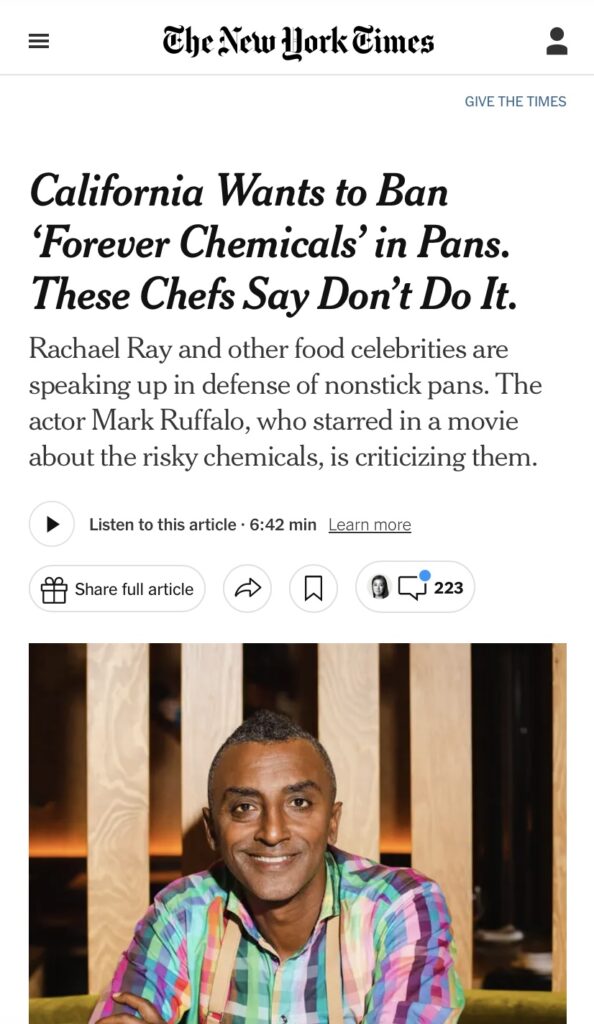
    NYTimes article, Sep13, 2025

    This article is about food celebrities like Rachel Ray are speaking up in defense for teflon-coated pan amid of California state moving toward to regulating “forever chemicals” in pans. 

    California both House have passed a measure this week for the bill that will ban contentious chemicals like “PFAS”. Those chefs are involved in cookware endorsement and say they are safe when it is used responsibly.

    The article mentions the study by Oregon University that shows the manufacturing process of “PTFE” can release “PFAS”, which cause pollution and contaminates drinking water.

    4. SWIFT- Trace media, original content

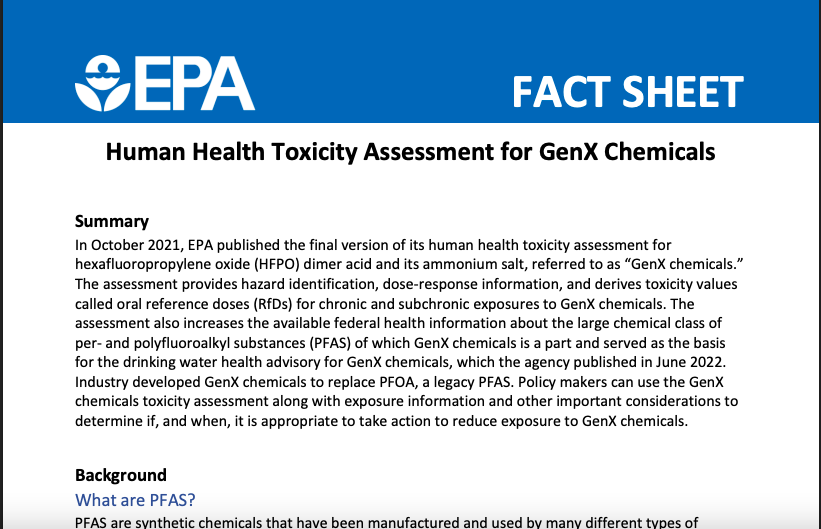
    Finally, I reviewed original EPA fact research:


    EPA conducted assessment on GenX, a chemical that the industry developed to replace “PFOA”. This report tells animal study shows health effects on liver and kidneys, the immune system and an association with cancer.

    Conclusion:

    Even though cookware industry has replaced “PFOA” to another chemical to make Teflon, the EPA assessment has shown that the studies proven health effects on animals. The study by Oregon University points out the release of “PFAS” on manufacturing process of “PTFE”. In conclusion, claiming on Teflon is true, it is wroth to pay attention. It is up to consumer’s hand to keep using Teflon coated cookware. Other alternatives for cookware are ceramic material or ceramic coated which is naturally non-stick.

  • June episode will feature Juneteenth, a day in the United States when Black people won their freedom, which was designated a federal holiday in 2021.

    Galveston, located on the Gulf of Mexico, was once the most prosperous commercial center in Texas, and it is said that 80% of the slaves brought from Africa arrived at the port of Galveston. We visited Ashton Villa, a former mansion with an exhibition showcasing the history of Juneteenth, and a massive mural at the site where the Emancipation Proclamation is believed to have been signed. Furthermore, Sam Collins, the organizer of the “Galveston Legacy Project,” which promotes Juneteenth in Galveston, guided us through the historical sites.

    We interviewed Opal Lee in Fort Worth, who is 97 years old and known as the “grandmother of Juneteenth.”

    Blog Assignment #2


    I examined educational tools which are designed to educate people about misinformation on social media platforms.


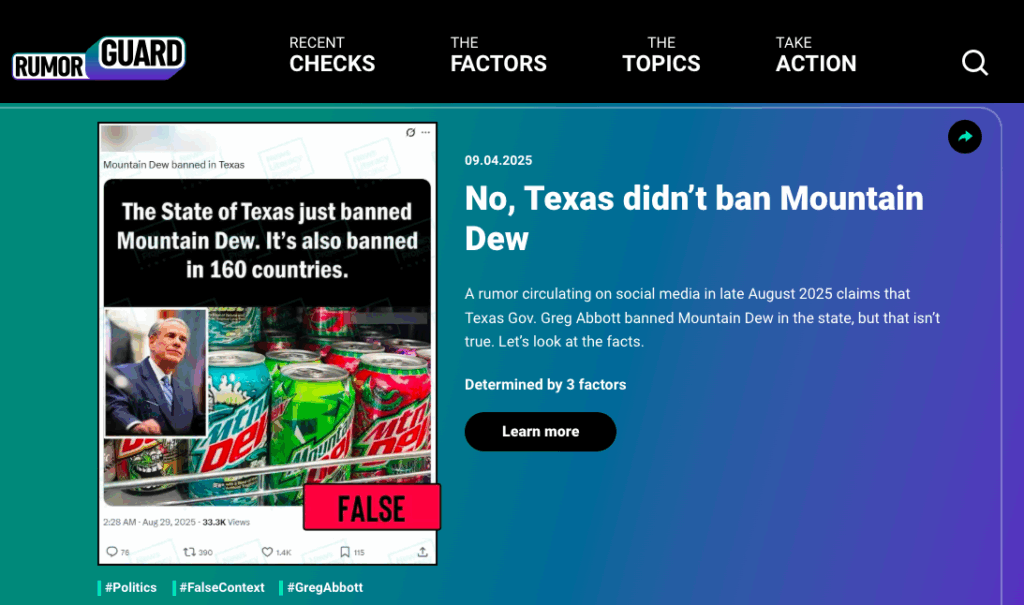
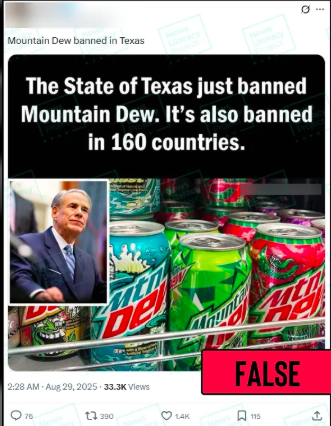
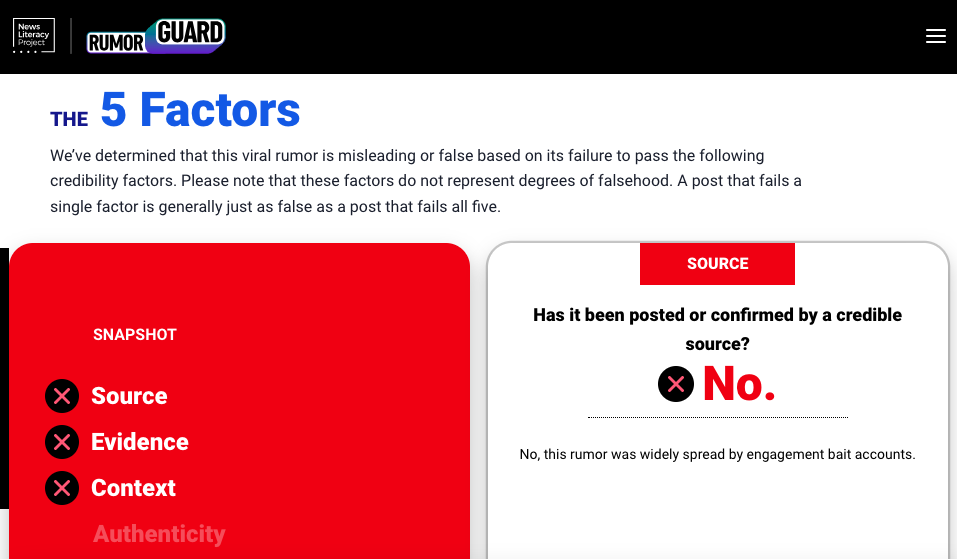
    First, this “Rumor Guard “website shows examples to demonstrate how to spot “fake news”. This case caught my eye: a rumor in late August 2025 claiming Texas had banned the popular drink Mountain Dew. This is a FAKE news story. 


    While Mountain Dew has not banned internationally, but the version sold internationally has a different formula to avoid using prohibited ingredients there. The kernel of truth in the Texas rumor was s a new law, SB25, which took into effect on Sep1, 2025. The bill requires manufacturers to add warning labels to food containing ingredients not recommended for human consumption by EU and Japan, including Yellow 5, a synthetic dye which the standard flavor of Mountain Dew includes.  


    This post was shared on Facebook by by David Wolfe, influencer in the “superfoods” and health community. His post rarely has the full context of the news story. 


    This rumor gained more credibility in existing political narrative, a recent article “Texas enacts MAHA bills as Kennedy joins Gov. Abbott for signing ceremony.” from the Texas Tribune highlighted how Robert F. Kennedy Jr. had complimented Texas Governor Abbott for this support of health initiatives, aligning with the “Make America Healthy Again (MAHA) bills.

    Generally, when it come to topic like the details of public health bill, it is especially more complex and difficult to verify. 

    I think this educational tool is highly effective because it teaches users to follow specific check points, 

    1, Check the evidence. 

    2, Look for confirmation. 

    3, Consider the consequences. 

    In the case of the Mountain Dew rumor, the story fails on those 3 points because it lacks- 

    1, Reliable Source 

    2, Confirming Evidence 

    3, Full Context 

    This approach tells us how to critically analyze and navigate the flood of information we encounter on social media every day. 


    Next, I tried educational game “Breaking Harmony square”. This website is a scientific research project designed to help people understand misinformation on social media by improving their ability to spot manipulation tactics.


    My task in this game was to disturb the peace of the “Harmony Square” community and turn people against each other. I soon realized that to to earn more reactions, I had to post harmful or aggressive content. This provokes people’s negative emotional reactions and led to increased engagement, visibility, and potential profit – a tactic known as “rage-bait”. The creator or influencer benefit from the increased traffic, followers and revenue that rage bait generates.


    This is how content spreads so quickly on social media: emotions like anger or fear, rage. Algorithm promote content that receives high engagement regardless of its emotional tone, allow rage bait spread quickly.


    Rage bait leverages our negative bias- the human tendency to react quickly to threats or or strong opinions. This leads to impulsive engagement before thoughtful consideration.


    I think this game is effective to help people increase their media literacy and spot manipulation and reduce their willingness of manipulative content with people in their network.


    I found interesting article “What is rage-baiting and why is it profitable?” on BBC about rage-bait. They interviewed content creator on social media who earns a lot of money by making rage-bait posts.  According to BBC’s investigation, some users on X were “thousands of dollars” by the social media site, for sharing content including misinformation, AI-generated images and unfounded conspiracy theories”.

    In this article, Dr William Brady, who studies how the brain interacts with new technologies pointed out the while extreme content on X is made by small number of user but algorithms can amplify as if the are majority and noted that the American election was light on policy, and instead centred around outrage.


    Ultimately, these tactics like rage-bait erode public trust and interest to quality journalism. The tools I have explored are essential because they teach us to recognize these emotional traps and reclaim our relationship with information that we consume.

  • June episode will feature Juneteenth, a day in the United States when Black people won their freedom, which was designated a federal holiday in 2021.

    Galveston, located on the Gulf of Mexico, was once the most prosperous commercial center in Texas, and it is said that 80% of the slaves brought from Africa arrived at the port of Galveston. We visited Ashton Villa, a former mansion with an exhibition showcasing the history of Juneteenth, and a massive mural at the site where the Emancipation Proclamation is believed to have been signed. Furthermore, Sam Collins, the organizer of the “Galveston Legacy Project,” which promotes Juneteenth in Galveston, guided us through the historical sites.

    We interviewed Opal Lee in Fort Worth, who is 97 years old and known as the “grandmother of Juneteenth.”

    24 Media Diet:

    I tracked all my the media consumption on Aug 28, 2025.


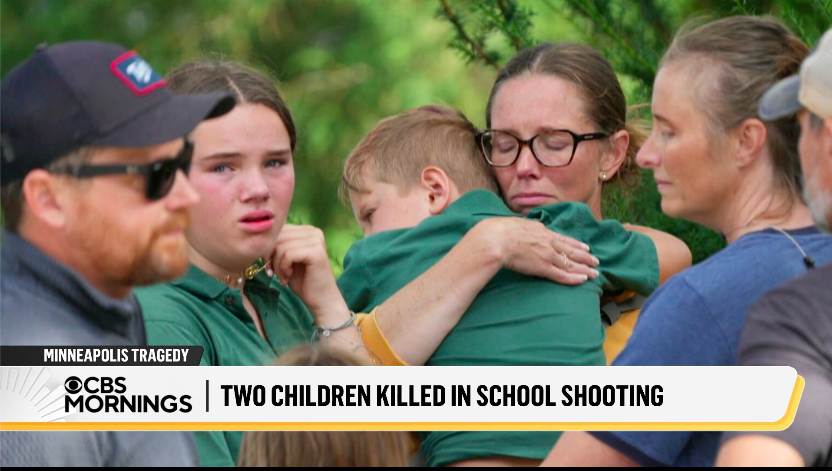
    7AM: After waking up, I check my emails and watch the news on CBS Mornings where my favorite news anchor, Gayle King, is on. I was saddened to hear about the shooting in Minneapolis church.

    Read subscribed news latter from Bloomberg Morning Brief. Checked Weather.

    9AM: While going to my office, I listened WSJ Morning Brief and NPR Podcast.

    10AM: I start working and opened my computer to the Yahoo News USA (usually Yahoo Japan) homepage. Scrolling down, a photo caught my eye.

    Questionable Content #1

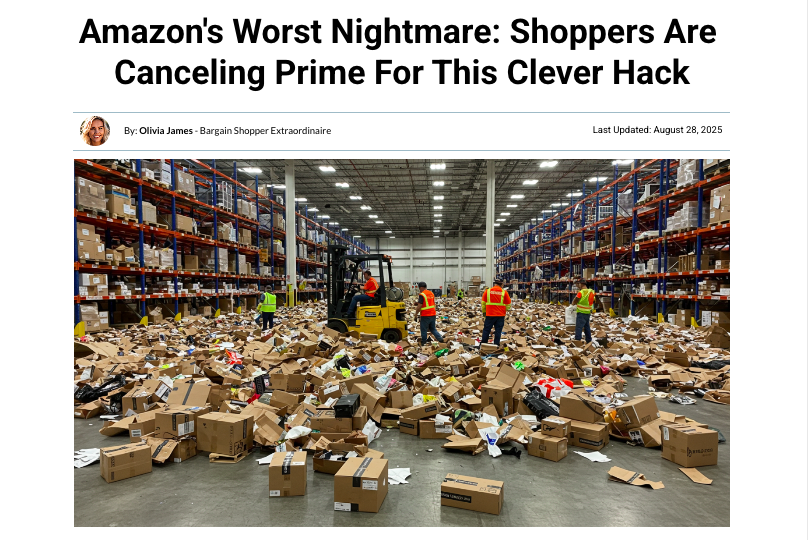
    The headline says “Amazon’s Worst Nightmare: Shoppers Are Canceling Prime For This Clever Hack”. The image captured the chaotic warehouse, showing countless packages are damaged or torn open. Employees are trying to manage situation.


    This article claimed that people are canceling Amazon Price because free browser extension is helping them to find “amazing deals” and “hidden deals” on the same products. After a closer look, I realized the browser which the author is writing about is run by credit card company, and a Google revealed that the author, “Bargain Shopper Extraordinaire Olivia James” didn’t exist, fake. It was just an ad placed between article, and I found same image of warehouse in an unrelated post by someone named Juan Lacey on LinkedIn.

    Questionable Content #2


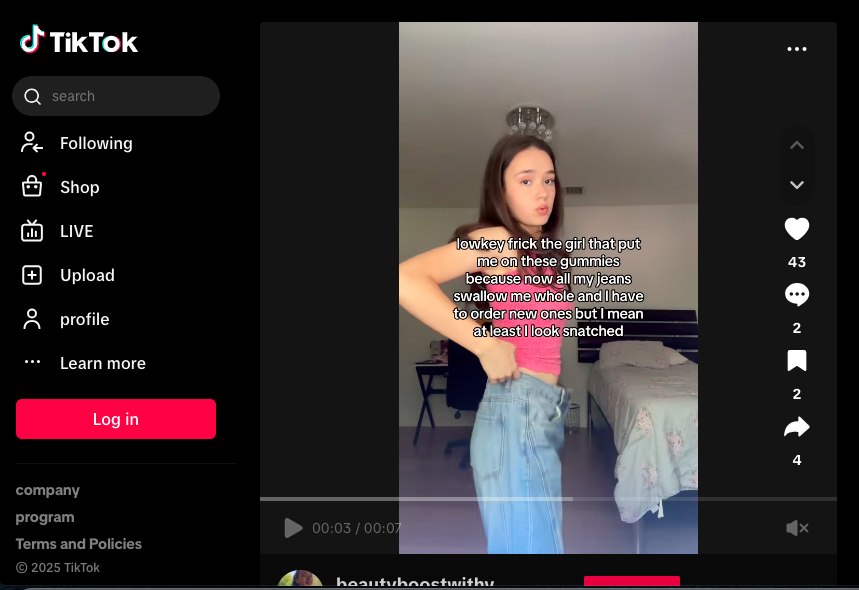
    3PM: After work, I was on TikTok and I came across a post in which the women claimed to have lost her weight using apple cider vinegar gummies. She showed off now-too-big-jeans. and a jar of product. I realized it has a product link.

    It was a clearly commercial which has no scientific evidence provided. So I googled it, and found a BBC video “Does apple cider vinegar really help with weight loss?”. According to video, the claims stemmed from a new study released last year, the video says recent studies were conducted on mostly over weight people and obese individuals and that the exact mechanism how apple cider works is not fully understood. Although it potentially has a weight loss benefit for type2 diabetes, the BBC article emphasized more study needed. It warned viewers to consult healthcare professionals and cautioned that it could cause digestive discomfort and worsen existing digestive issues.

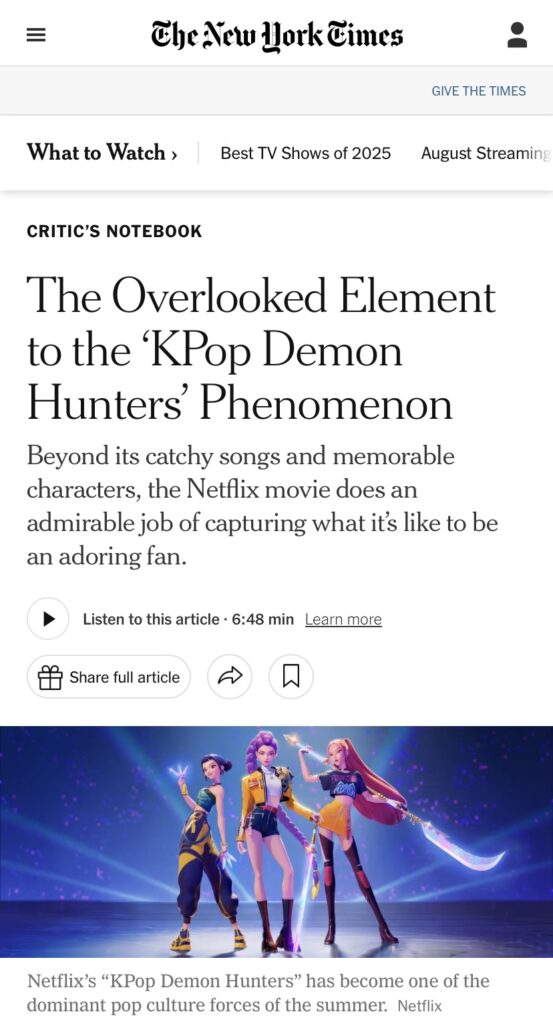
    5PM: While preparing dinner, I watched animated K-Pop movie clip video on YouTube that my kids were watching. K-Pop Demon is becoming a phenomenon far beyond just kids as I read ab article “The Overlooked Element to the ‘KPop Demon Hunters’ Phenomenon” on NY Times during my work.

    KPop Demon article on NYTimes

    Reflection

    Looking back my Media log, I have realized that most of the questionable post are related to advertisement. Content that are not clearly understood or proven seems to be especially popular on social media. Since my work is as a researcher, I primarily read from reliable websites and established news media. When quoting of politicians or public figures, I have made it a habit to check if the social media posts are from their verified, official accounts. The source is very important to me, I trust these outlets to present facts and I find their content more interesting. My log confirms that the most questionable content I encounter is on social media and in ads.

  • June episode will feature Juneteenth, a day in the United States when Black people won their freedom, which was designated a federal holiday in 2021.

    Galveston, located on the Gulf of Mexico, was once the most prosperous commercial center in Texas, and it is said that 80% of the slaves brought from Africa arrived at the port of Galveston. We visited Ashton Villa, a former mansion with an exhibition showcasing the history of Juneteenth, and a massive mural at the site where the Emancipation Proclamation is believed to have been signed. Furthermore, Sam Collins, the organizer of the “Galveston Legacy Project,” which promotes Juneteenth in Galveston, guided us through the historical sites.

    We interviewed Opal Lee in Fort Worth, who is 97 years old and known as the “grandmother of Juneteenth.”

    Introducing the USA Pavilion at the Osaka Expo – Interview with the Youth Ambassador!

    Like the previous Osaka Expo, the USA Pavilion has a major space theme, with moon rocks on display.

    At the pavilion, young people selected from across the United States serve as youth ambassadors, promoting the charms of America.

    We spoke to Dejeya Longhilly, a youth ambassador, about the exhibits, highlights, and the atmosphere at the venue!

    *USA Pavilion at the Osaka Expo https://usapavilion.us/ja/